
Introduction
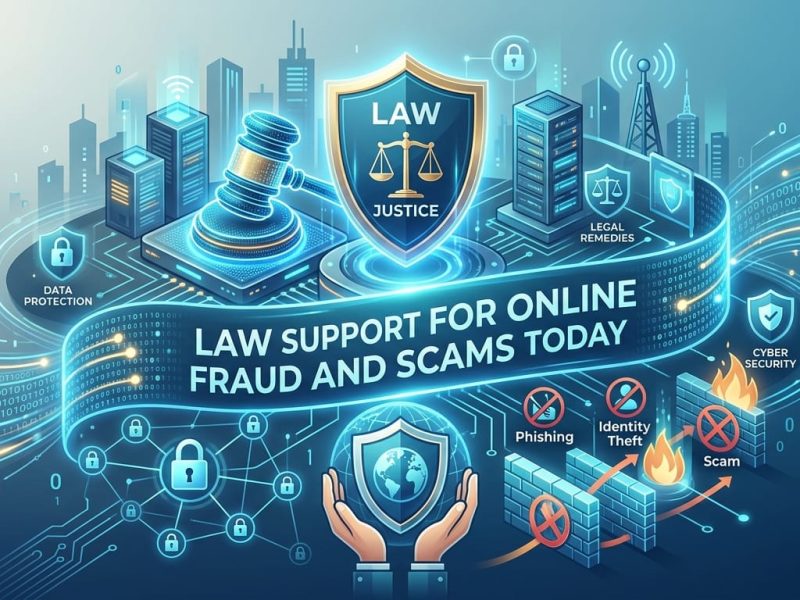
Online Fraud and Scams are becoming increasingly common in today’s digital world. With more people relying on online platforms for banking, shopping, and communication, scammers have found new ways to exploit vulnerabilities. From phishing emails to fake websites and investment scams, the risk of losing money or personal information is higher than ever. Understanding how to protect yourself and seek legal help is essential to navigate this growing threat.
Individuals often feel overwhelmed when they fall victim to Online Fraud and Scams. The confusion and fear of reporting incidents can lead to further losses. Fortunately, legal support is available to guide victims through reporting procedures, investigation processes, and recovery of losses. Professional legal assistance ensures that cases are handled efficiently and that perpetrators are held accountable under the law.
Understanding Common Types of Online Fraud and Scams
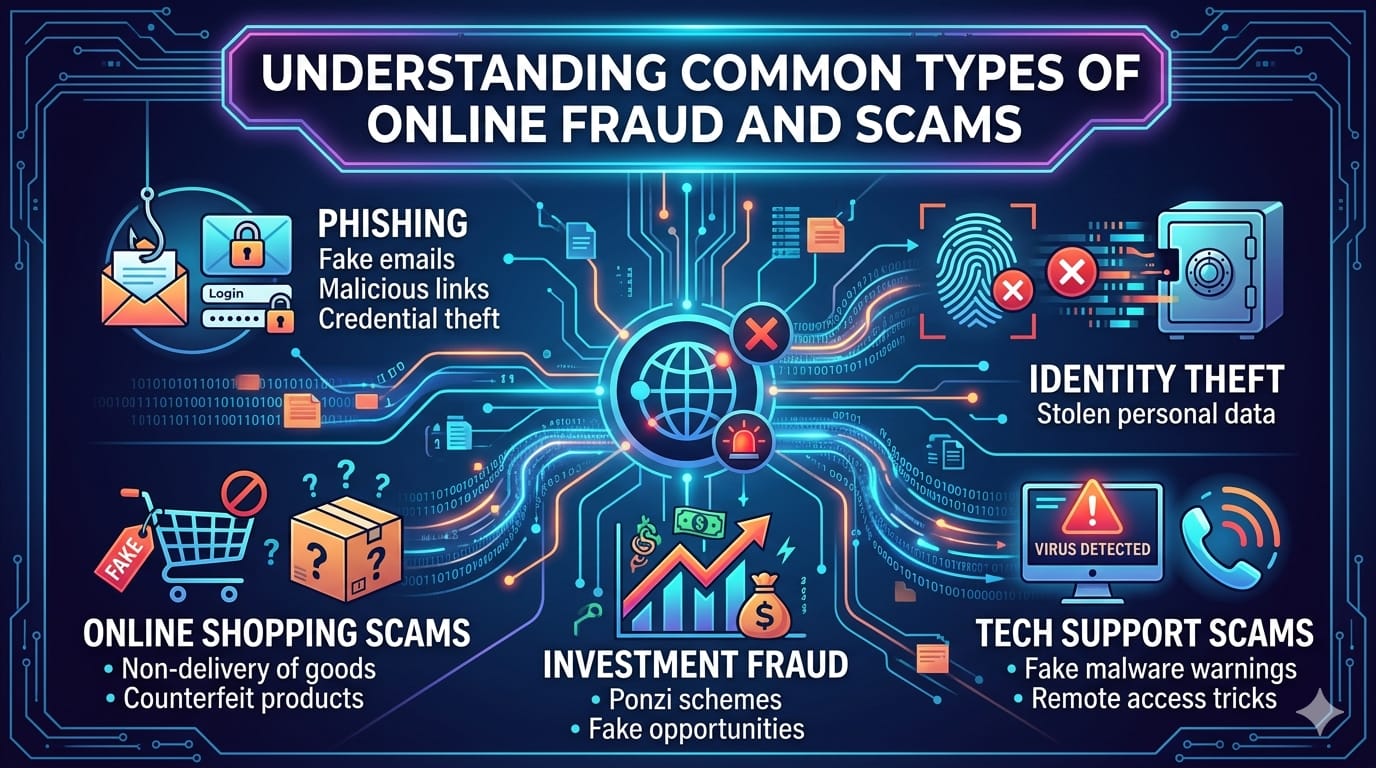
Online Fraud and Scams can take many forms, including fake e-commerce websites, phishing attacks, lottery scams, and fraudulent investment schemes. Each type of scam has its own methods and targets different groups of people. Recognizing warning signs, such as suspicious links, unknown contacts, or promises of unrealistic returns, is the first step toward prevention. Awareness campaigns and reliable sources of information can help individuals avoid falling into these traps.
Legal Steps to Protect Yourself
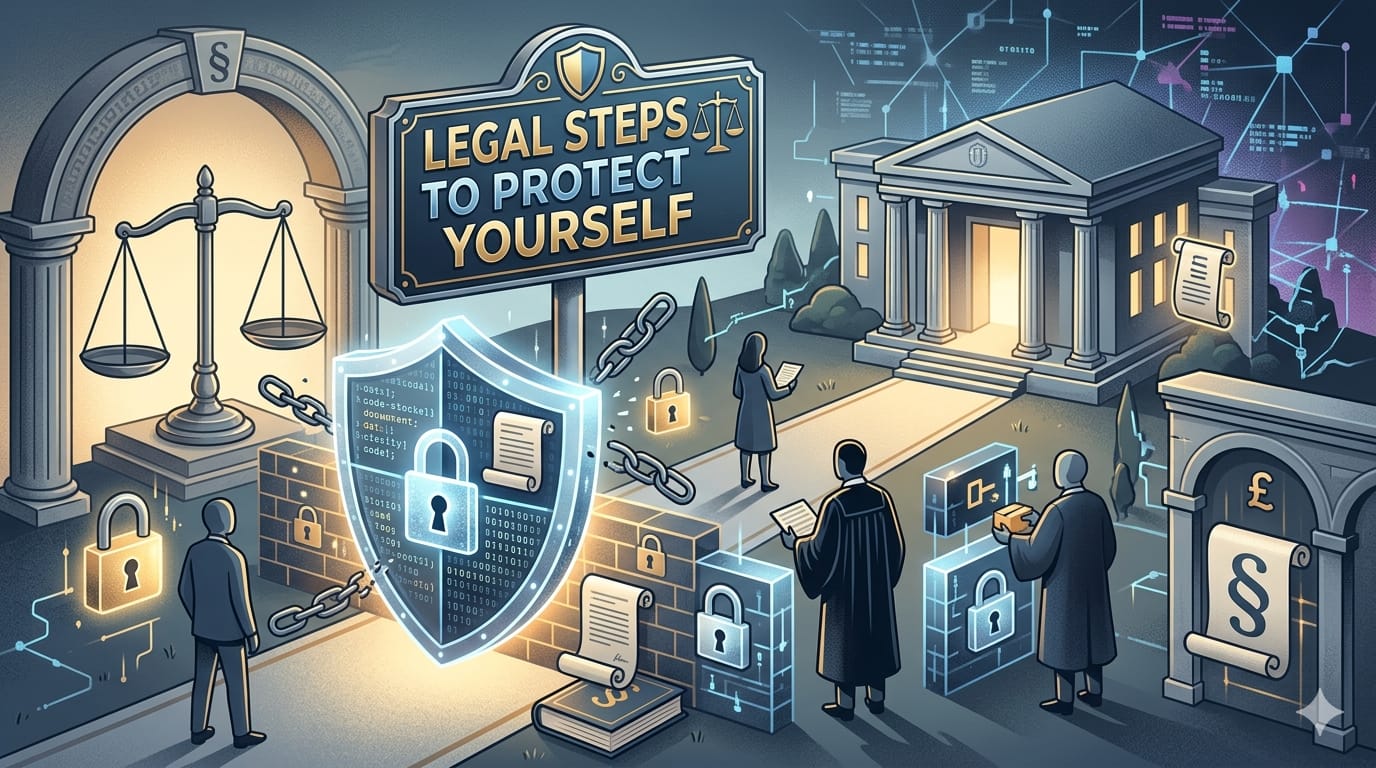
Victims of Online Fraud and Scams have several legal options to protect themselves. Reporting the incident to local law enforcement, documenting all communications, and notifying banks or financial institutions are critical steps. Lawyers can assist in preparing proper legal notices, filing complaints, and navigating complex digital evidence requirements. Legal intervention not only increases the chances of recovering lost assets but also deters scammers from targeting others.
Digital Fraud A Modern Approach
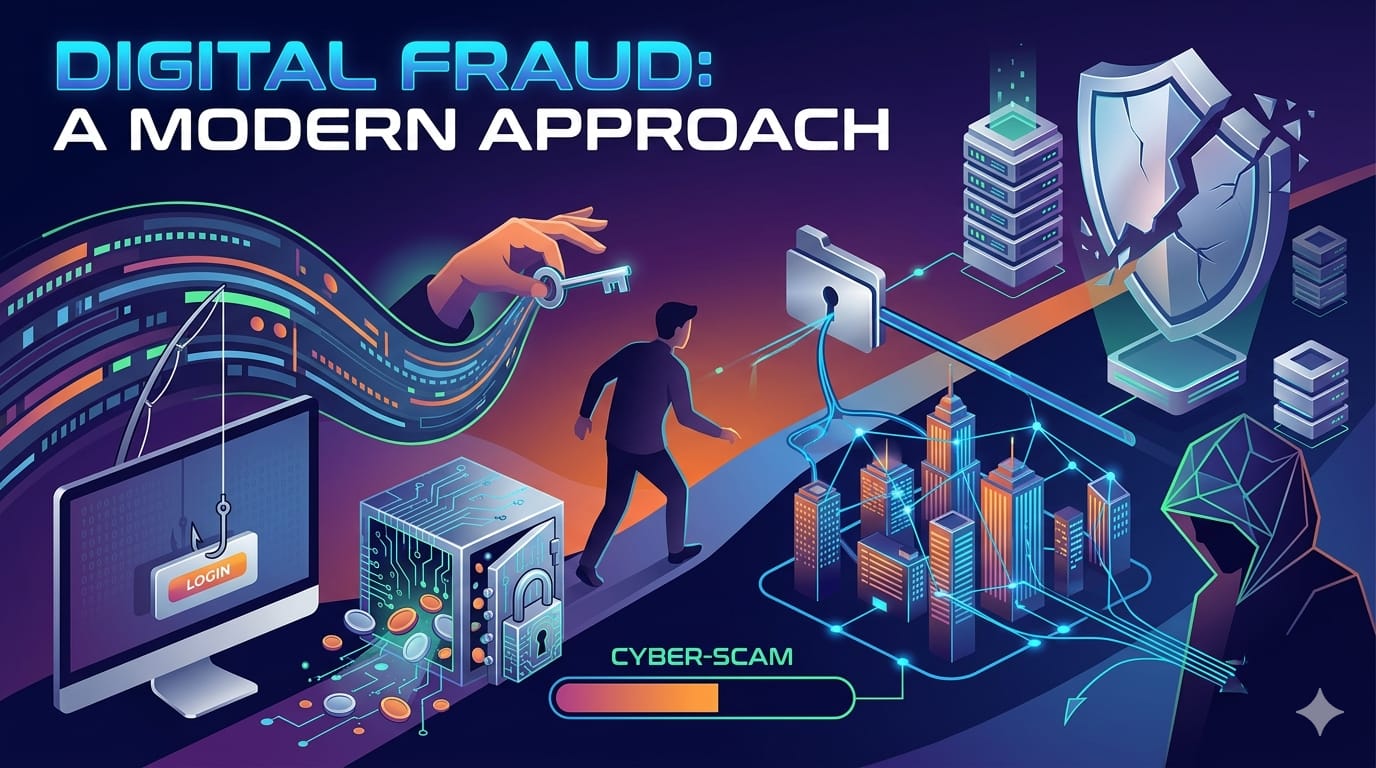
Some law firms and online platforms now maintain a digital fraud bulletin to alert the public about ongoing scams. This unique approach provides timely updates, shares case studies, and educates users about emerging threats. Regularly consulting such bulletins helps individuals stay informed and take preventive measures. Combining technology with legal expertise creates a proactive defense against Online Fraud and Scams.
Case Studies and Success Stories
Real-life examples illustrate how legal support can make a difference. Victims of Online Fraud and Scams who sought professional help often succeeded in reclaiming their lost funds and bringing scammers to justice. These success stories emphasize the importance of prompt action and the guidance of experienced lawyers. Understanding these cases also educates the public about common tactics used by fraudsters, reducing future risk.
Conclusion
Online Fraud and Scams can be stressful and financially damaging, but effective legal support is available for those in need. Advocate Abuzar Tariq, the owner of HireLawyer, has extensive experience assisting victims of digital fraud. His guidance ensures that every case is treated with attention, professionalism, and efficiency. Through his expertise, victims gain confidence in the legal process and can pursue justice without unnecessary delays.
HireLawyer, as a dedicated online legal platform, simplifies access to professional advice for victims of Online Fraud and Scams. The website provides resources, legal consultation, and case management tools to help users navigate complex situations. With HireLawyer, individuals can report fraud, consult experts, and stay informed about the latest scams, making it an essential resource in today’s digital age. By combining legal expertise with practical support, HireLawyer ensures that victims are never alone in combating Online Fraud and Scams.
Comments